

Li-Mo 240
Li-Mo 240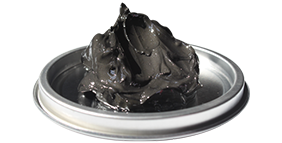
This is a high-performance, MoS₂-containing lithium complex grease with a wide range of applications. It is manufactured with high-quality paraffinic mineral oils and contains antioxidants, corrosion inhibitors, and EP (extreme pressure) / AW (anti-wear) additives.
Usage
Developed for use in all lubrication points where high temperature and pressure are present and high water resistance is required. Suitable for use in bearings and bushings, universal joints and chassis in automotive and industrial applications. Ideal for use in construction machinery, tractors and all agricultural machinery, stationary and mobile cranes, trucks, trailers, and rock crushers. Also recommended for marine, paper and sugar machinery, wet-section bearing applications, and mining industry applications.
Features
- Wide Application Range:
Provides economic benefits by reducing the number of grease types used in a wide range of applications in vehicle fleets and factories. Offers multi-purpose use. - High Resistance to Rust and Corrosion:
Provides high resistance to rust and corrosion. - High Temperature Performance:
Excellent durability at high temperatures, has a high dropping point. - High Mechanical Strength Performance:
Provides resistance to vibration thanks to its MoS₂ content. - Extra Wear Protection Performance:
Provides extra protection in bearings operating under heavy loads with vibrations and shocks due to its MoS₂ content. Minimizes maintenance costs by reducing wear thanks to its EP high-pressure additive. Has a high load-carrying capacity. - Low Grease Consumption:
Provides low grease consumption thanks to its high adhesive and fibrous structure.
Technical Specifications
| Soap Type | - | Lithium Complex |
| Solid Lubricant | - | MoS2 |
| Colour | Visual | Black |
| Operating Temperature, °C | - | -30°C / +150°C |
| NLGI | - | 2 |
| Worked Penetration @25°C | ASTM D 217 | 265-295 |
| Dropping Point, °C, min. | TS 5937 ISO 6299 | 250 |
| Four Ball Analysis, kgf, min. | ASTM D 2596 | 315 |
*Data given above are typical properties and may vary slightly.